
ExxonMobil has taken a new step into Black Sea gas exploration, after one of its subsidiaries signed a memorandum of understanding with Turkey’s state-owned energy company to study potential oil and natural gas resources along the country’s coastline.
The agreement was concluded between ExxonMobil’s subsidiary ESSO and TPAO, Turkey’s national petroleum corporation. According to Turkey’s energy minister, Alparslan Bayraktar, the memorandum covers offshore research activities in both the Black Sea and the eastern Mediterranean, within Turkey’s territorial waters. The framework also allows for additional exploration zones to be added later by mutual agreement.
Turkey’s Energy Strategy and the Black Sea
Turkey has increasingly positioned itself as a regional energy hub, aiming to reduce its dependence on imports while strengthening supply security through domestic production and international partnerships. Cooperation with a global major like ExxonMobil is part of Ankara’s broader strategy to accelerate offshore exploration and gain access to advanced technology and expertise.
The Black Sea has become one of Europe’s most strategically important emerging gas regions. Over the past decade, several countries bordering the sea have intensified exploration:
- Romania is preparing to develop the Neptun Deep offshore project, one of the largest gas discoveries in the EU.
- Turkey itself has already discovered gas at the Sakarya field, which is gradually being brought into production.
- Bulgaria and Ukraine have also conducted seismic surveys and licensing rounds, although development there has been slower.
Together, these projects are reshaping the Black Sea into a potential alternative supply corridor for Southeastern and Central Europe.
ExxonMobil’s Global Experience
ExxonMobil is one of the world’s largest publicly traded energy companies, with upstream, downstream, and chemical operations spanning more than 60 countries. The company has extensive experience in deepwater exploration, having led or participated in major offshore projects in the Gulf of Mexico, Guyana, Brazil, and West Africa.
In recent years, ExxonMobil has focused on capital discipline while selectively expanding in regions with long-term production potential. Its involvement in Black Sea gas exploration signals confidence that the basin could deliver commercially viable discoveries over the next decade.
Regional Gas Supplies and Azerbaijan’s Role
The exploration agreement comes shortly after Turkey finalized a long-term natural gas supply deal with Azerbaijan, covering 33 billion cubic meters over a 15-year period starting in 2029. Gas will be transported from Azerbaijan’s Absheron field in the Caspian Sea, with annual deliveries to Turkey expected to reach 2.25 billion cubic meters.
This arrangement highlights a broader trend in Eastern Europe and the Eastern Mediterranean: diversification away from single suppliers and toward a mix of pipeline gas, offshore production, LNG imports, and regional interconnectors. For countries like Bulgaria, Azerbaijan has already become a key supplier, accounting for roughly half of gas imports in recent years.
Why the Black Sea Matters
What makes Black Sea gas exploration especially significant is its proximity to European markets. Unlike distant LNG sources, offshore Black Sea production can be connected directly to regional pipeline networks, potentially lowering costs and increasing supply security. Analysts note that even modest discoveries can have outsized geopolitical and economic impact in a region historically dependent on imports.
As exploration accelerates, partnerships between national companies and global majors such as ExxonMobil are likely to play a decisive role in determining whether the Black Sea evolves into a stable, long-term energy pillar for Europe.
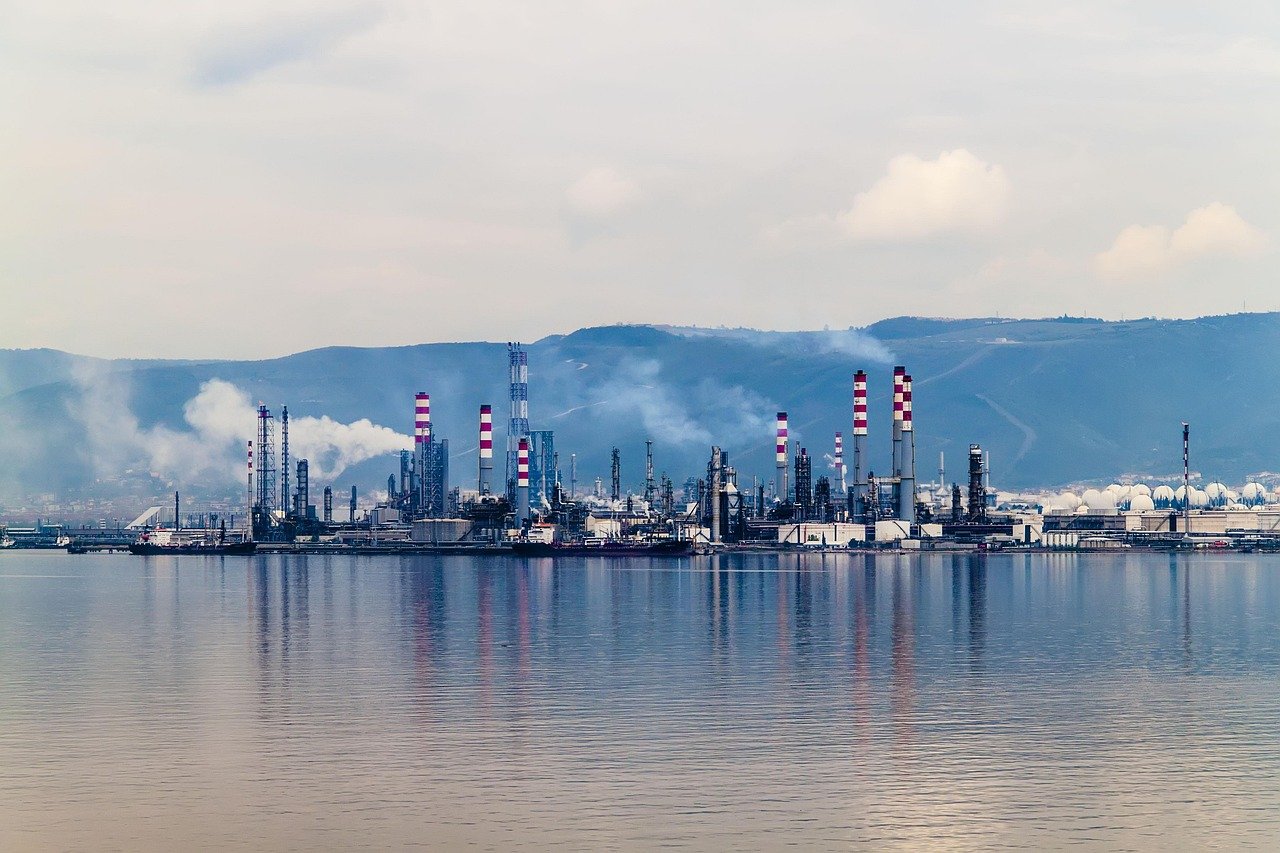
Featured Image by Isa KARAKUS from Pixabay