
Russia’s state-owned nuclear corporation Rosatom has officially launched construction works at Hungary’s Paks II nuclear power plant, marking a significant milestone for one of Europe’s most controversial energy projects. The event, known in the industry as the “first concrete pour,” signals that the facility has entered the active construction phase according to International Atomic Energy Agency (IAEA) standards.
The ceremony took place in Hungary with representatives from Rosatom and Hungarian authorities, confirming that the project is moving ahead despite ongoing geopolitical tensions and sweeping European Union sanctions on Russian energy interests.
Regulatory Green Light
Earlier this month, Hungary’s Atomic Energy Authority issued the final construction permits required for the main works at the plant. Paks II will consist of two new reactor units, designed to complement the existing Paks nuclear power station, which currently supplies around half of Hungary’s electricity.
Rosatom stated that it will continue to implement the project in close cooperation with its Hungarian partners, emphasizing adherence to international safety standards and technical oversight.
Financing and Legal Challenges
The financing structure of the Paks II nuclear power plant has been a recurring source of controversy. Most of the project’s funding is expected to come from a Russian state loan of up to €10 billion, while Hungary will contribute approximately €2.5 billion from its national budget.
In September, the Court of Justice of the European Union annulled a previous European Commission decision that had approved Hungary’s state financing model for the project. The ruling reopened legal debates about whether the funding arrangement complies with EU competition and state-aid rules.
Despite these challenges, Hungary and Russia reaffirmed their commitment to the project, arguing that nuclear power is essential for long-term energy stability.
Nuclear Power in Eastern Europe: A Strategic Pillar
Nuclear energy plays a central role in Eastern Europe’s electricity mix. Countries such as Hungary, Slovakia, the Czech Republic, Romania, and Bulgaria rely heavily on nuclear power to meet base-load demand and reduce carbon emissions.
- Slovakia generates more than 50% of its electricity from nuclear power.
- Hungary relies on nuclear energy for roughly half of its electricity production.
- Romania operates two reactors at Cernavodă and plans further expansion.
- Bulgaria’s Kozloduy plant remains a cornerstone of national energy security.
For many of these countries, nuclear power is viewed as a way to reduce dependence on fossil fuels while maintaining stable, affordable electricity supplies.
EU Sanctions and Russian Energy Projects
Since Russia’s invasion of Ukraine, the EU has imposed multiple rounds of sanctions targeting Russian oil, gas, and coal exports. However, nuclear energy has largely been excluded from the most severe restrictions.
Several EU members argue that immediate sanctions on nuclear cooperation with Russia would threaten electricity security, particularly in countries that operate Soviet-designed reactors and rely on Russian fuel and technical services.
Nevertheless, pressure is growing within the bloc to reduce long-term dependence on Rosatom. Some countries are actively seeking alternative fuel suppliers and diversifying nuclear partnerships with Western companies.
Why Paks II Nuclear Power Plant Matters
Supporters of the project say Paks II will:
- Provide stable, low-carbon electricity for decades.
- Reduce Hungary’s reliance on imported fossil fuels.
- Help meet EU climate targets by cutting greenhouse gas emissions.
Critics counter that the project deepens Hungary’s dependence on Russia and exposes taxpayers to financial and geopolitical risk.
Interesting Facts About Nuclear Power in the Region
- The original Paks plant was built using Soviet technology in the 1980s.
- Modern nuclear reactors typically operate for 60 years or more.
- One uranium fuel pellet produces roughly the same energy as one ton of coal.
- Nuclear power is responsible for about 25% of electricity generation across the EU.
A Project at the Crossroads of Energy and Politics
The construction of Paks II nuclear power plant illustrates the complex balance Eastern Europe faces between energy security, climate goals, and geopolitical realities. While the EU accelerates its transition toward renewables, nuclear power remains a critical pillar for countries seeking reliable baseload generation.
As Europe continues to reshape its energy landscape, the future of projects like Paks II will likely remain a focal point of political debate and strategic planning.
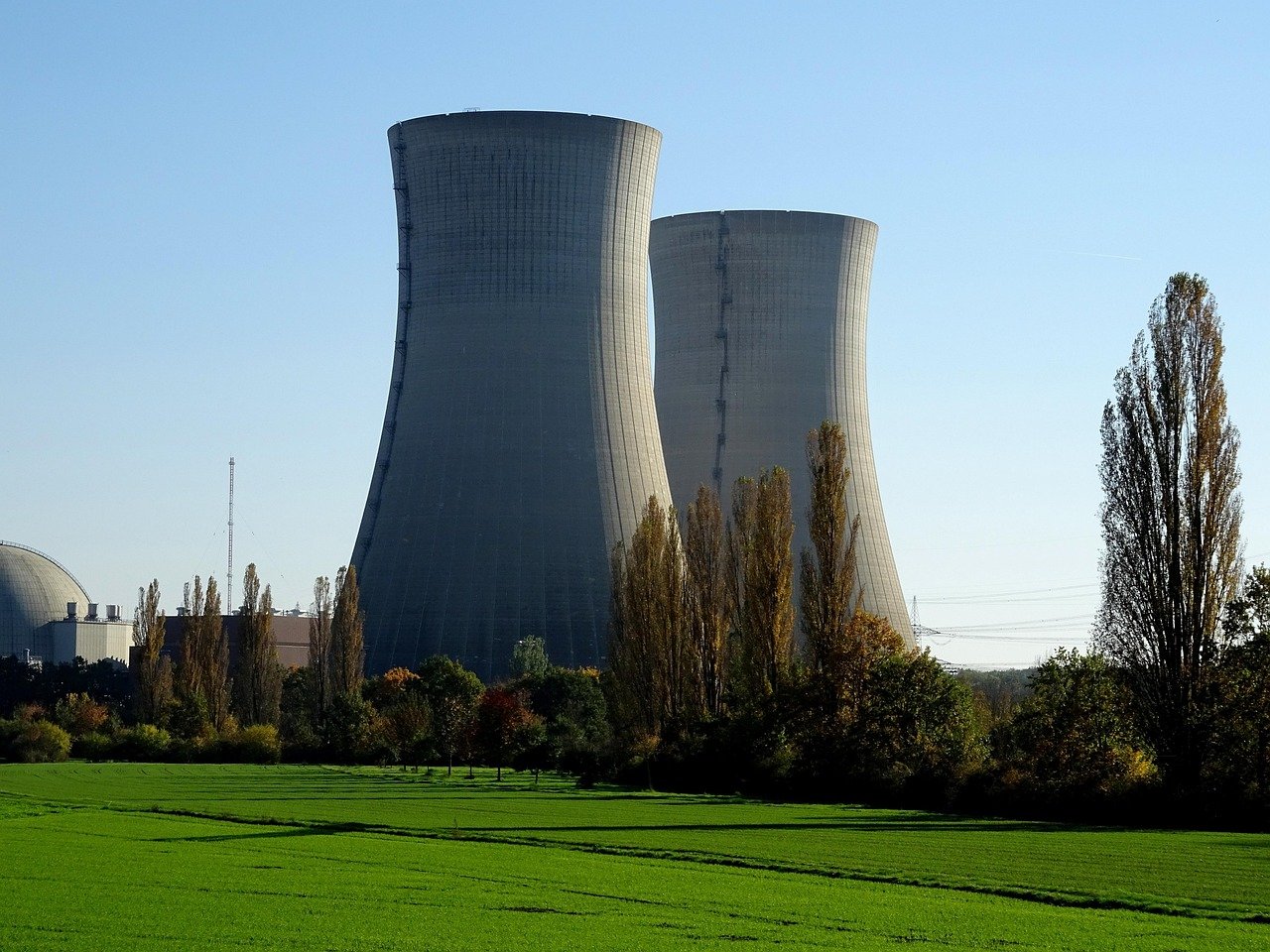
Image by Kurt Klement from Pixabay