ETF fees explained (what new investors need to know)

money, calculator, cost

Key Takeaways ETF fees explained: These are the costs you pay to own and trade an exchange-traded fund. It represents fund expenses and appears as an annual percentage. Trading adds the bid-ask spread and any broker commission. Tracking difference indicates how closely the fund’s performance tracks its index once costs are accounted for. Taxes and … Read more


What Causes the End of a Bull Market and Signals to Watch

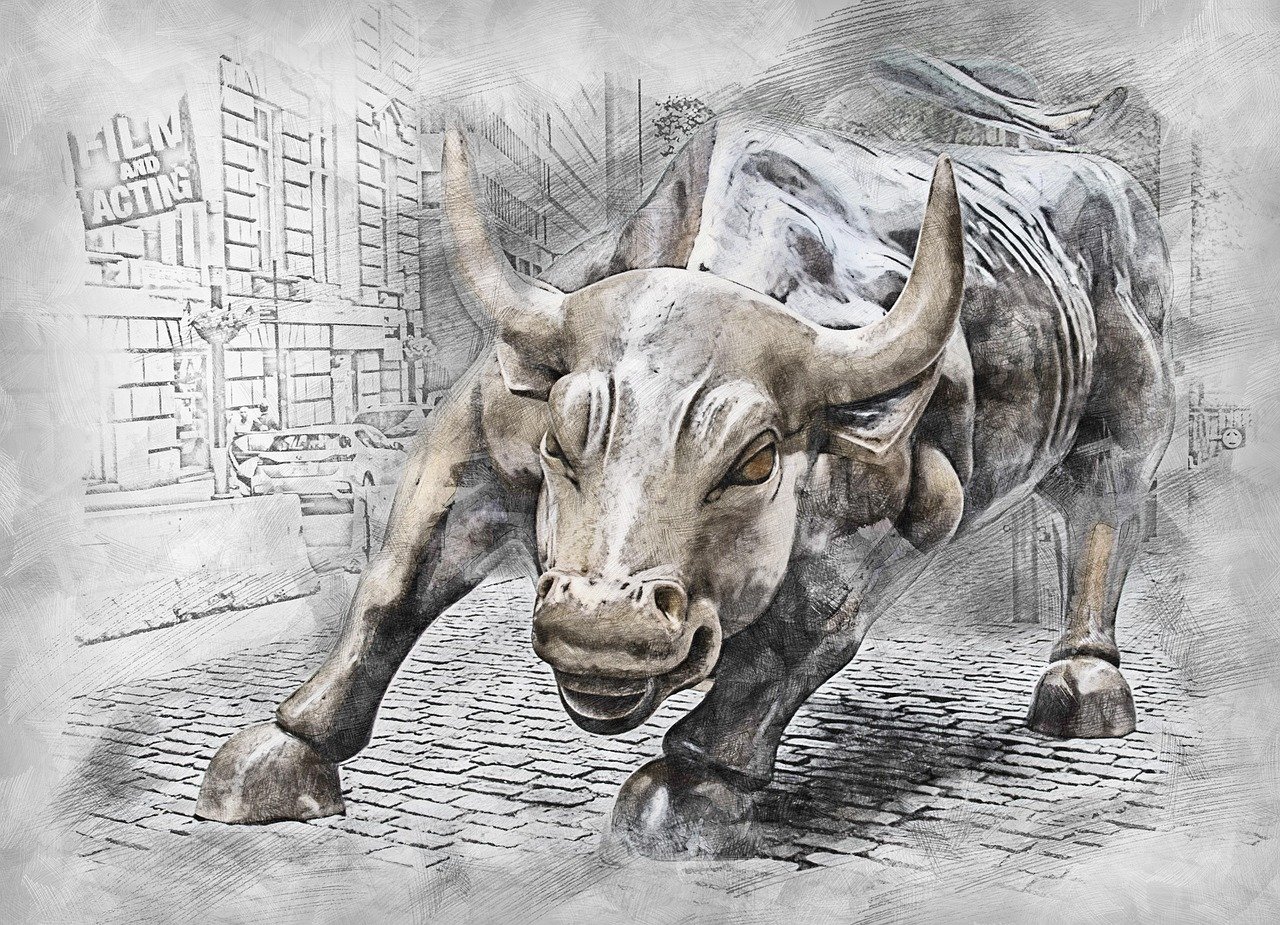
bull statue

Key Takeaways The end of a bull market marks the shift from rising asset prices to a sustained downturn, often after peaks in valuation and optimism. Typical indicators are weaker market breadth, decelerating earnings growth, tighter credit, increasing real rates, and escalating volatility. Valuations compress as cash flow outlooks cool and liquidity thins. Previous ones … Read more

Investing During a Bull Market: Strategy & Risk

wall street sign

Key Takeaways Investing in a bull market is the practice of purchasing securities as prices are increasing sector by sector and index by index. Trends have stronger earnings and strong cash flows and broader risk appetite. Swings and steep pullbacks persist. Smart habits help: set clear goals, spread risk across stocks, bonds, and cash, use … Read more

How Dividend Growth Investing Powers Long-Term Retirement Income

money

Key Takeaways Dividend growth investing strategy is a long-term strategy that focuses on companies that have a history of increasing their dividend year over year. Investors monitor the dividend growth rate, payout ratio below 60%, and balance yield with earnings stability. Reinvested payouts can lift your yield on cost over 10 to 15 years and … Read more

Are ETFs safe for new investors?

Man browsing for stocks

Key Takeaways ETFs are inherently safe as an investment because they diversify risk and are highly regulated. Safety varies by fund type, index method, and structure, with broad-market funds being less risky than leveraged or synthetic products. Expenses remain low due to slender expense ratios, and reporting brings transparency. Risks still include market swings, tracking … Read more

Lessons from the longest bull markets in history

Broker green

Key Takeaways Among the longest bull markets in history are the 2009–2020 U.S. Rally, the 1987–2000 U.S. Expansion, and Japan’s 2012–2018 run. The 2009 cycle lasted around 131 months, with the S&P 500 increasing approximately 400 percent. The 1987 one ran 150 months, with returns of approximately 580 percent on the S&P 500. Japan’s Abenomics … Read more

Safest ETFs to start with as a beginner

Stock

Key Takeaways Safest ETFs as a beginner are broad, low-cost index funds and high-quality bond ETFs with long records and large asset bases. Broad market equity funds distribute risk among hundreds of companies. Short-duration Treasury or investment-grade bond funds reduce price volatility. Good indicators are expense ratios below 0.10%, high volume, tight spreads, and low … Read more

How long do bull markets typically last?

bull

Key Takeaways Bull markets last four to six years on average, depending on the time period measured. Since 1926, a number of studies place the average around seven years, while post-1950 numbers run closer to four to five years. The 2009–2020 U.S. Run was approximately 11 years, while 1982–1987 ran for only five. Short bursts … Read more