
Serbia has officially inaugurated its first high-speed railway line, marking a milestone in the country’s modernization and a new chapter in China’s Investment in European Railways. The project, built by China Railway International and China Communications Construction Company (CCCC), now links Belgrade with Subotica, near the Hungarian border.
The new trains, supplied under China’s Belt and Road Initiative (BRI), reach an average speed of 200 km/h, transforming what was once a five-hour journey into a smooth 79-minute trip. Operated by Serbia’s national rail company, Srbija Voz, the modern InterCity “Soko” trains carry up to 253 passengers per trip.
Experts say the high-speed line will stimulate Serbia’s economy, boost tourism, and improve regional connectivity between the Balkans and Central Europe.
A Key Section in China’s European Railway Vision
The Belgrade–Subotica section, stretching 183.1 kilometers, is part of the larger Hungary–Serbia railway corridor, which spans 341.7 km in total — connecting the Serbian capital directly with Budapest.
This connection represents one of the most ambitious Chinese infrastructure investments in Eastern Europe. It’s also viewed as a symbolic success of the Belt and Road Initiative, which aims to strengthen trade and transport links between Asia and Europe.
China’s role in the project goes beyond construction. Through financial partnerships and technology transfers, it reflects Beijing’s strategy to deepen economic integration in the region. Serbia, a candidate for EU membership, has become one of China’s key partners in Southeast Europe, positioning itself as a logistics hub between the East and the European Union.
Eastern Europe’s Expanding Rail Network
Serbia’s high-speed line follows several major infrastructure projects across Eastern and Central Europe.
- In Hungary, a modernization plan is under way to expand rail capacity between Budapest and the Serbian border, aiming to create a continuous corridor for freight and passengers.
- Poland, Czechia, and Slovakia have all invested heavily in upgrading rail lines as part of the EU’s Trans-European Transport Network (TEN-T), improving connections from the Baltics to the Balkans.
- China’s state-owned companies are also involved in projects in Greece, Croatia, and Montenegro, focusing on ports, railways, and energy infrastructure.
For China, these developments are part of a broader goal: to diversify trade routes into Europe and reduce reliance on maritime shipping via the Suez Canal. The China–Europe Railway Express, launched in 2011, now operates thousands of freight trains annually, linking Chinese industrial hubs with over 100 European cities.
China’s Investment Strategy in Europe
China’s investments in Europe have shifted in recent years from manufacturing and energy toward transport and logistics infrastructure. Under the BRI, Beijing has financed or co-built over 1,800 projects globally, with Europe playing a central strategic role.
In Serbia, China’s involvement extends beyond railways — it includes energy projects, digital infrastructure, and automotive manufacturing. Companies like Linglong Tire and Huawei have set up operations in the country, turning Serbia into one of China’s most important non-EU investment destinations in Europe.
However, analysts note that this growing footprint has sparked geopolitical debates in Brussels, with EU officials calling for transparency and competitive procurement. Still, countries in Eastern and Southeastern Europe continue to welcome Chinese financing as a fast alternative to EU funds, often citing its speed and flexibility.
A Symbol of New Connectivity
The new Belgrade–Budapest high-speed rail is more than just an infrastructure milestone — it’s a strategic bridge between Asia and Europe. Once completed, passengers will be able to travel between the two capitals in under three hours, cutting travel times by more than half.
Beyond passenger transport, the corridor is expected to handle a growing share of China–EU freight traffic, offering a faster and greener route for goods traveling from ports in Greece and the Balkans to Central Europe.
With rail transport emitting up to 75% less CO₂ than air or road freight, the project also aligns with Europe’s green transition goals, illustrating how strategic cooperation can combine economic development with sustainability.
Final Thoughts
The launch of Serbia’s first high-speed railway marks a turning point — not only for the country’s transport system but for the strategic relationship between China and Europe.
As Beijing expands its presence through infrastructure projects, Eastern Europe emerges as a key gateway for trade and logistics. For Serbia and its neighbors, this means new jobs, faster transport, and stronger economic links. For the EU, it raises a deeper question: how to balance foreign investment with strategic autonomy.
The story of China’s investment in European railways is yet to unfold — but one thing is certain: the tracks laid today will shape Europe’s economic map for decades to come.
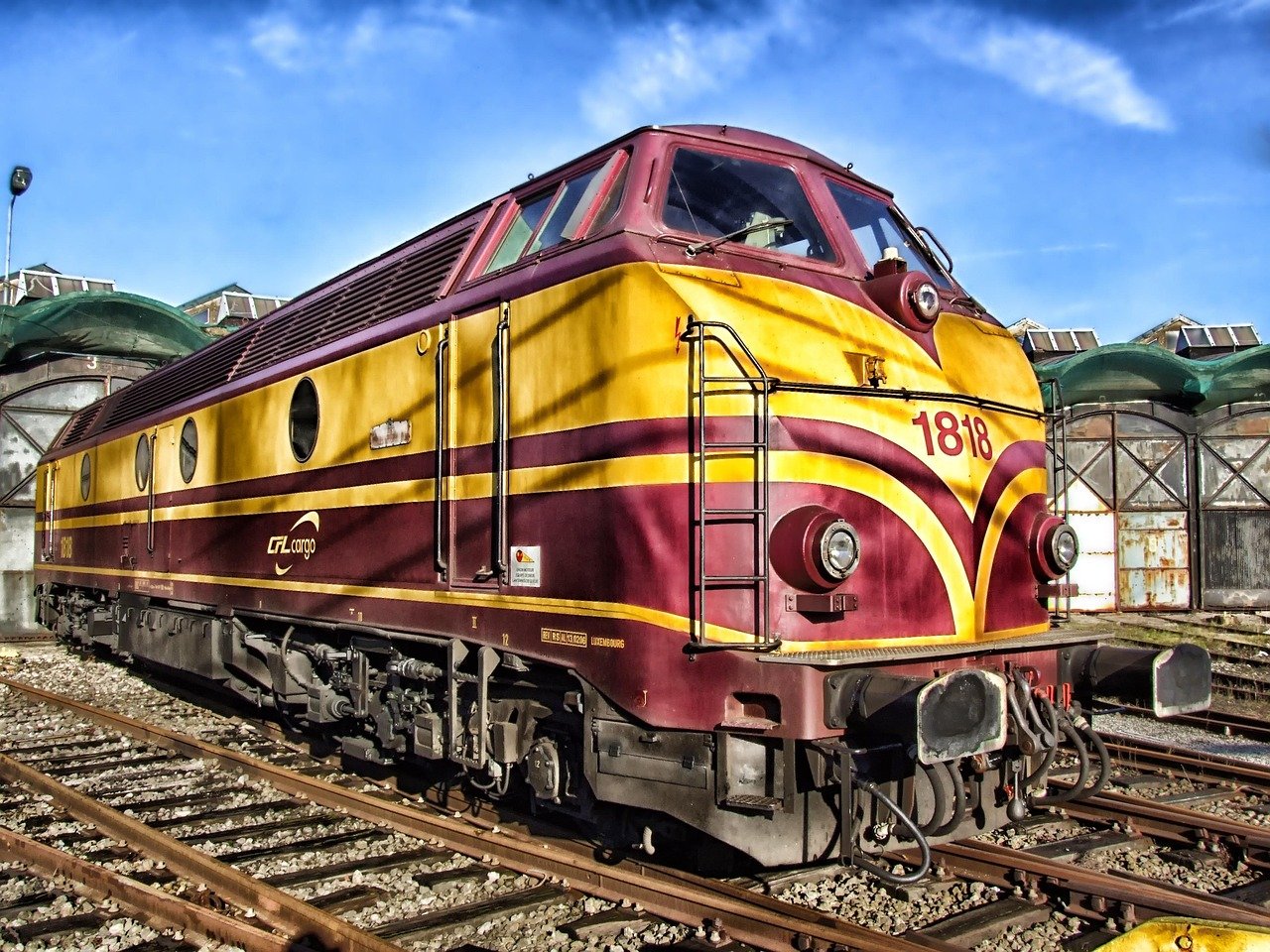
Featured Image – Pixabay.
2 thoughts on “China’s Investment in European Railways: Serbia Opens Its First High-Speed Line”