
Last Updated on November 12, 2025
The Chinese car industry continues to gain momentum in Europe, with one of its top automakers, Chery Automobile, eyeing Serbia as the site of its next major factory. The move reflects a growing trend among Chinese automakers to establish a long-term presence within Europe as they compete for market share in electric and hybrid vehicles.
Serbian Minister of Economy Adrijana Mesarović announced discussions with Chery’s chairman, Yin Tongyue, during a recent visit to Shanghai. Chery is evaluating Serbia’s strategic location, access to the EU market, and industrial infrastructure as part of its plan to expand production outside China. Tongyue is expected to visit Serbia soon to continue negotiations.
A Global Rise in the Chinese Car Industry
Over the past decade, the Chinese car industry has transformed into a global powerhouse. China overtook Japan in 2023 to become the world’s largest vehicle exporter, shipping more than 5 million cars annually. Chery alone exports over 1.2 million vehicles per year — nearly half of its total production — showing just how central international markets have become to its success.
Other automakers such as BYD, SAIC (MG), and Great Wall Motors are also expanding across Europe. Their vehicles are known for combining affordability, cutting-edge battery technology, and digital systems that appeal to European consumers. Chery has already entered Europe through its joint venture in Spain, reviving the Ebro brand with a €400 million investment in electric and hybrid production.
Why Serbia Is the Next Step
Serbia’s position at the crossroads of Central and Southeastern Europe makes it ideal for manufacturing and logistics. The Belgrade–Budapest high-speed railway, constructed with Chinese support under the Belt and Road Initiative, allows for fast connections to major EU markets.
If confirmed, Chery’s Serbian factory would become the nation’s second major automotive export hub, following Stellantis’ Kragujevac plant. Analysts predict that the investment could create thousands of jobs, stimulate Serbia’s auto supply chain, and position the country as a regional hub for electric vehicle production.
Europe’s New Automotive Landscape
The European Union has introduced anti-subsidy measures to protect local automakers from what it views as unfair competition from Chinese electric vehicles. In response, Chinese manufacturers are localizing production within Europe to avoid tariffs and meet EU standards. This approach also strengthens brand credibility by blending Chinese technology with European craftsmanship.
As of 2025, cars from the Chinese car industry make up nearly 10% of all new electric vehicles sold in Europe. Brands such as MG, BYD, and Chery are leading the way, capturing customers with affordable pricing and impressive range. Chery and BYD have also announced plans to expand their research and design centers in Germany and Italy.
Fascinating Facts About the Chinese Car Industry
- China is home to more than 300 electric vehicle manufacturers — the most in the world.
- Chery’s latest electric SUV has a range of 700 km, rivaling premium Western brands.
- In 2024, China exported 1 in every 5 EVs sold globally.
- The Belgrade–Budapest line, built through Chinese investment, now plays a key role in car exports to the EU.
Final Thoughts
The Chinese car industry is no longer just exporting vehicles — it’s exporting technology, innovation, and partnerships. Chery’s potential investment in Serbia marks a new era in China–Europe industrial cooperation, combining European expertise with Chinese innovation. For Serbia, it’s an opportunity to boost growth and employment; for China, it’s another strategic move on the road to global automotive dominance.
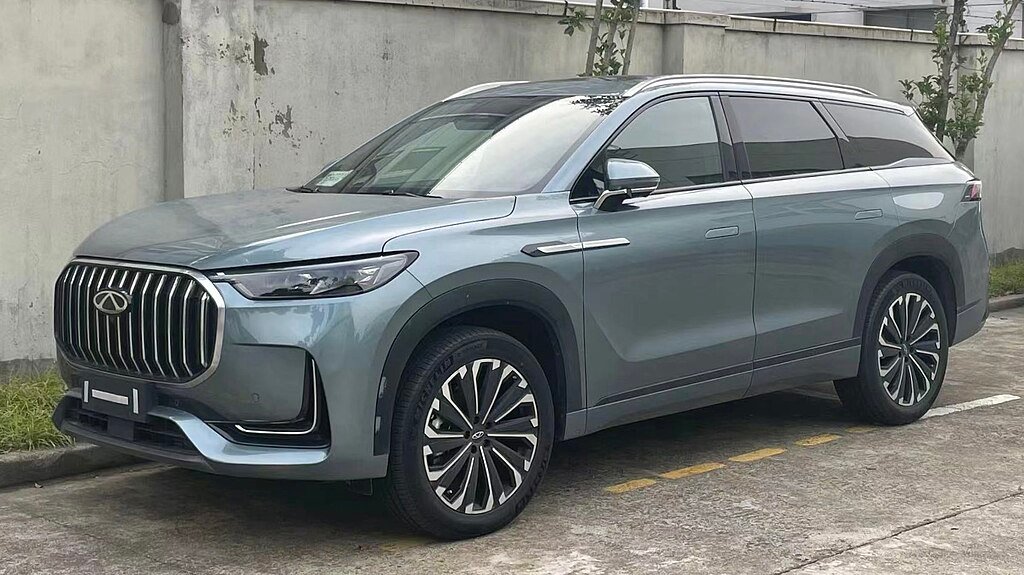
Featured Image Make Chiffon great again, CC BY-SA 4.0, via Wikimedia Commons
