
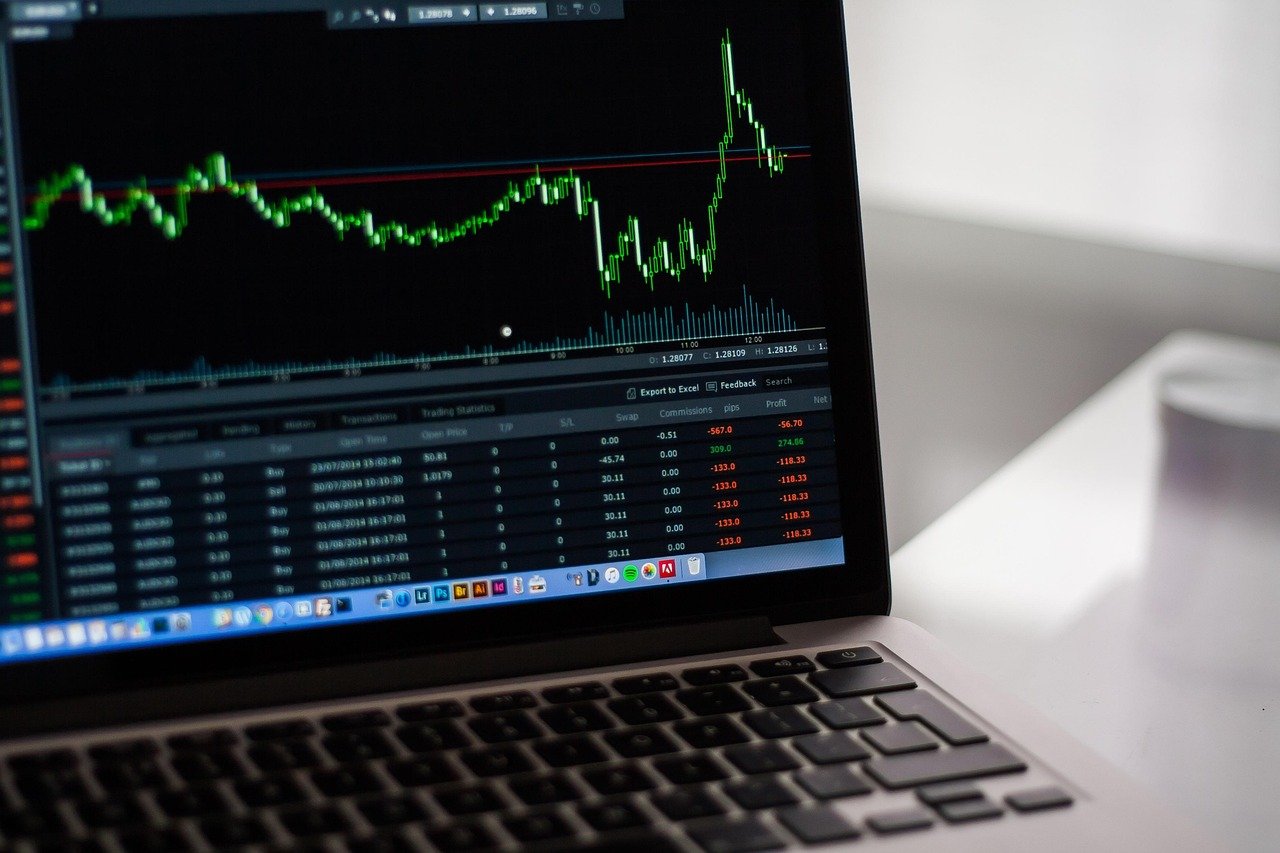
If you have ever listened to traders talk about markets or read financial news and felt as though it was written in a foreign language, you are far from alone. Markets have developed their own financial market terminology over decades, and for newcomers it can sound confusing—or even intimidating.
The good news is that once you understand the core financial market terminology, everything starts to fall into place much faster than expected.
This article walks you through the most commonly used financial terms, explained in plain language, just as you would explain them to someone taking their very first steps in investing or trading.
Why Financial Terminology Matters
Think of financial markets as a busy city. Liquidity is the flow of traffic, volatility is rush hour, and leverage is a high-performance sports car—it can get you to your destination quickly, but it can also cause serious damage if you don’t know how to handle it.
Understanding terminology is not about sounding smart; it’s about making informed decisions and managing risk. Without that foundation, even simple trades can become costly mistakes.
Key Financial Market Terms You Should Know
Liquidity
Liquidity refers to how easily and quickly an asset can be bought or sold without significantly affecting its price. Highly liquid assets—such as major currencies or large-cap stocks—have many buyers and sellers, resulting in tighter price differences and smoother transactions.
Low liquidity, on the other hand, often means wider price gaps and higher risk, especially during periods of market stress.
Interesting fact: The foreign exchange (forex) market is the most liquid financial market in the world, with daily trading volumes exceeding $6 trillion.
Volatility
Volatility measures how sharply and how often prices move over a given period. High volatility means rapid price swings, which can create opportunities—but also amplify losses.
Markets tend to become more volatile during economic crises, major political events, or unexpected central bank decisions.
Key takeaway: Volatility is neither good nor bad by itself—it depends on how well prepared you are to manage it.
Bull and Bear Markets
A bull market describes a period of rising prices and general optimism. A bear market signals falling prices and pessimism.
The terms come from the way the animals attack: bulls thrust upward with their horns, while bears swipe downward with their claws.
Interesting fact: Historically, bull markets last significantly longer than bear markets, though bear markets tend to be sharper and more emotionally intense.
Spread
The spread is the difference between the buying (ask) price and the selling (bid) price of an asset. While it may seem small, spreads can quietly eat into profits—especially for frequent traders.
Lower spreads usually indicate higher liquidity and more competitive markets.
Fundamental vs. Technical Analysis
These are the two main approaches to analyzing markets:
- Fundamental analysis focuses on economic data, company earnings, interest rates, and geopolitical events.
- Technical analysis studies price charts, patterns, and historical price behavior.
Most experienced traders combine both approaches rather than relying exclusively on one.
Additional Widely Used Financial Terms
- Market Capitalization: The total value of a company’s outstanding shares
- Risk-to-Reward Ratio: A measure comparing potential profit to potential loss
- Stop-Loss: An order that limits losses by closing a trade automatically
- Margin: Borrowed funds used to increase trading exposure
- Diversification: Spreading investments to reduce overall risk
Interesting fact: Diversification was famously described by economist Harry Markowitz as “the only free lunch in finance.”
Why Learning the Language Pays Off
Financial markets reward preparation and punish ignorance. Understanding financial market terminology doesn’t guarantee success—but not understanding it almost guarantees costly mistakes.
Once the language becomes familiar, market behavior feels far less chaotic, and decision-making becomes clearer, calmer, and more disciplined.