
Last Updated on October 28, 2025
In what both sides called the start of a “new golden era,” U.S. President Donald Trump and Japanese Prime Minister Sanae Takaichi signed a new landmark U.S.–Japan trade agreement in Tokyo aimed at strengthening cooperation in mining and critical mineral supply chains.
The agreement, signed at the Akasaka Palace, marks a new phase in the U.S.–Japan alliance as both nations seek to secure access to rare earth elements essential for advanced manufacturing, defense, and clean energy industries.
A Renewed U.S.–Japan Partnership
Prime Minister Takaichi, in office for just a week, thanked Trump for what she described as a “decades-long friendship” between the two nations and expressed her intent to open a “new golden era” in bilateral relations.
Trump, in turn, called Japan an ally “at the highest level,” reaffirming Washington’s security and economic commitment to Tokyo at a time of growing regional tension with China.
“We share deep respect and love for Japan,” Trump said. “This partnership will remain privileged and strong. We are allies at the highest level.”
Focus: Critical Minerals and Supply Chain Independence
The signed framework establishes closer cooperation on the extraction, processing, and trade of rare earth elements—materials essential for semiconductors, electric vehicles, and defense systems.
Both countries pledged to jointly identify and finance strategic mining projects, particularly those that fill gaps in supply chains for components such as magnets, batteries, and catalysts.
Within six months, the U.S. and Japan are expected to announce financial and logistical mechanisms to support these initiatives. The deal envisions a mix of subsidies, loans, trade incentives, and storage systems to ensure long-term stability.
This comes amid new Chinese export controls on rare-earth-related technologies—a move that has frustrated the U.S., Japan, and the European Union. China currently controls over 60% of global rare-earth mining and 92% of refining capacity, giving it dominant leverage in the global tech economy.
Trump’s Trade Policy and the Return of Tariffs
The deal also signals a return to Trump’s tariff-driven trade strategy, designed to onshore critical industries and reduce dependence on Chinese imports.
During his first term, Trump imposed tariffs on over $360 billion worth of Chinese goods, targeting steel, aluminum, and technology components. The new agreement with Japan continues this economic security approach—prioritizing allies for supply partnerships rather than relying on geopolitical competitors.
In contrast, the European Union has moved more cautiously, focusing on trade diversification rather than tariffs. The EU’s Critical Raw Materials Act (2023) aims to ensure that no single country supplies more than 65% of key materials by 2030, whereas the U.S. under Trump prefers bilateral deals with strategic allies.
Japan’s Military and Economic Shift
Prime Minister Takaichi announced that Japan will increase defense spending to 2% of GDP—two years ahead of schedule. The move aligns with Washington’s push for greater burden-sharing within the Indo-Pacific alliance network.
Trump praised Japan’s efforts, saying,
“We’ve already received large new orders for advanced defense equipment, and Japan is moving quickly to strengthen its capabilities.”
This reflects a broader U.S. strategy to contain China’s influence in Asia through tighter cooperation on defense, trade, and technology.
Why Rare Earths Matter
Rare earth elements such as neodymium, dysprosium, and lithium are vital for modern technology:
- Neodymium magnets power electric vehicle motors and wind turbines.
- Lithium is essential for rechargeable batteries.
- Cerium and lanthanum are used in catalysts and semiconductors.
These minerals are often called the “vitamins of modern industry.” Without them, the global transition to green energy and AI-driven technology would slow dramatically.
How the Deal Compares Internationally
| Country/Region | Strategy on Critical Minerals | Key Partners | Policy Tools |
|---|---|---|---|
| United States | Bilateral deals, tariffs, domestic mining | Japan, Canada, Australia | Tariffs, subsidies, loans |
| European Union | Diversification through green policy | Norway, Chile, Namibia | Strategic reserves, ESG standards |
| China | Export control leverage | Developing nations | Supply dominance, state funding |
| Japan | Co-investment and tech innovation | U.S., ASEAN, Australia | Joint ventures, stockpiling |
Interesting Facts
- China refined over 130,000 tons of rare earths in 2024—ten times more than the U.S.
- The U.S. last operated a fully independent rare-earth refinery in 2002.
- Japan pioneered recycling technologies to recover critical minerals from electronic waste.
- The Trump administration’s new framework mirrors the 1980s U.S.–Japan semiconductor alliance, which helped curb Japan’s tech dominance but ultimately strengthened bilateral ties.
Final Thoughts
The newly signed U.S.–Japan trade agreement marks far more than a simple economic partnership — it signals a strategic realignment in a shifting global landscape. As both nations seek to secure reliable access to rare-earth elements and critical minerals, their cooperation could reshape global supply chains that have long depended on China.
The deal also highlights Japan’s growing defense ambitions and the United States’ renewed push to strengthen its alliances in Asia. In an era of rising geopolitical tension, this partnership reflects a pragmatic move toward economic security and technological sovereignty.
If successfully implemented, the U.S.–Japan trade agreement could become a model for future alliances — balancing trade, security, and sustainability. But as the global competition over resources intensifies, maintaining trust, transparency, and mutual benefit will be the key to making this “new golden era” more than just a headline.
FAQs
1. What does the new U.S.–Japan trade agreement include?
It focuses on cooperation in mining, refining, and securing supply chains for critical minerals used in technology and defense.
2. Why are rare earth elements important?
They are essential for electronics, renewable energy, EVs, and weapons systems.
3. How does this deal affect China?
It reduces dependence on Chinese exports and challenges China’s dominance in refining capacity.
4. How do U.S. tariffs fit into this policy?
Trump’s tariff strategy supports domestic industry and encourages trade alliances with trusted partners like Japan.
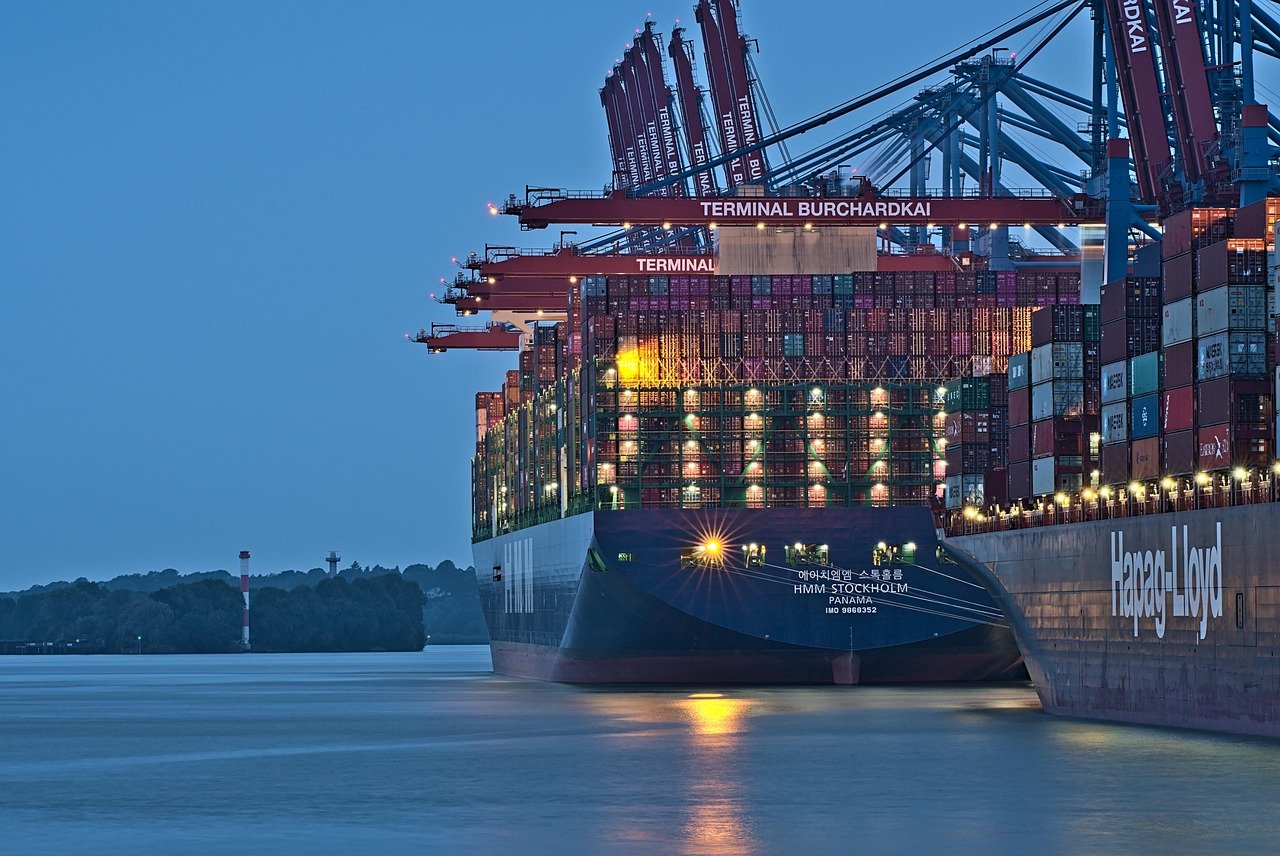
Featured Image by Kevin Schwarz from Pixabay
Thanks for putting in the effort to write this.