
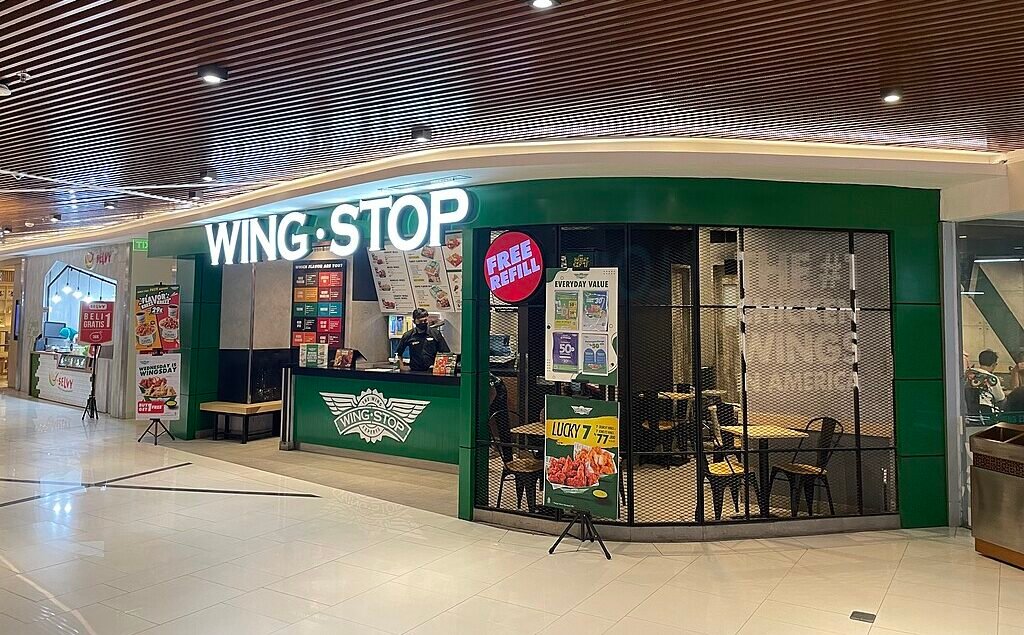
Last Updated on November 17, 2025
When British entrepreneur Tom Grogan sold his majority stake in Wingstop UK for around £400 million ($532 million), many assumed he had secured the relaxing early retirement people fantasize about. But Grogan soon discovered that life after a major exit can feel surprisingly empty.
After spending seven intense years building Wingstop UK—from cold-emailing the U.S. headquarters in Texas, to being rejected by nearly 50 different investors, to eventually opening 57 restaurants and expanding the workforce to 2,500 employees—Grogan found himself struggling with a feeling he never expected: boredom.
“When you finally hit the goal you worked toward for years, the question becomes: What now? And money can’t always fill that void,” he explained in an interview.
From High-Pressure Founder to Investor Life
Moving from the chaotic, fast-paced routine of a founder to a life with endless free time was far from satisfying. Grogan admitted that managing investments felt nothing like building a company.
“We went from creating something to simply moving money around. Those are two completely different skills,” he said.
Although he now lives in Dubai, Grogan avoids flashy mansions or supercars. Instead, he rents a modest home and has spent months searching for a new challenge.
“I can’t live my life sitting on a beach. I need something that gets me out of bed in the morning,” Grogan emphasized.
His experience echoes what many successful founders discover: financial success doesn’t guarantee emotional fulfillment. Even Airbnb cofounder Brian Chesky has described the time around the company’s IPO as “one of the saddest periods” of his life, despite becoming a billionaire overnight.
How It All Started
To understand why Grogan felt such a void, you must go back to the beginning.
Before becoming a multimillionaire, Grogan had a turbulent start. He was expelled from school for misbehavior and lost his first job at a tyre shop. He lived modestly with his family in Solihull until a chance meeting changed his life.
His friend’s father, Tony Smith, became his unexpected mentor—guiding him toward a more ambitious career path. Grogan landed an internship at entrepreneur James Caan’s investment firm and soon found himself managing property deals in London. By 26, he was running his own (stressful but promising) real estate business.
One ordinary day in his Mayfair office, he heard American rapper Rick Ross mention Wingstop in a song. Curious, he googled it and discovered the brand had no presence in Europe. A single email to Texas set off a chain reaction that would reshape his life.
With zero restaurant experience but strong conviction, Grogan partnered with Herman Sahota and Saul Lewin. “We loved the product, we loved the brand, and we wanted to reinvent everything around it,” Grogan recalled. After six months of negotiations, they opened the first Wingstop UK location in central London.
The journey was anything but smooth. Out of 50 potential investors, 49 rejected them. “If we had stopped then, Wingstop UK simply would not exist,” Grogan said.
Persistence paid off. Wingstop UK became one of the fastest-growing food chains in the country, attracting major acquisition interest.
The Breakthrough and the Unexpected Aftermath
In late 2024, Wingstop UK was acquired by Sixth Street in one of the largest restaurant deals in the UK. Today, the chain has over 57 restaurants, with more than 20 additional locations in development. Delivery platforms even list Wingstop’s boneless wings as some of the most-ordered dishes in the country.
But the success that catapulted Grogan’s wealth also contributed to his emotional crash. After years of fast-paced growth, the slow, repetitive world of investment portfolios felt dull.
“Finance moves at a crawl compared to what we used to do,” he admitted.
Now, Grogan is determined to return to work—though not in the food sector. His next venture remains a mystery, but based on his past, it might start with another random search and end as a brand-new business empire.
Featured Image – SunDawn, CC BY-SA 4.0 https://creativecommons.org/licenses/by-sa/4.0, via Wikimedia Commons