
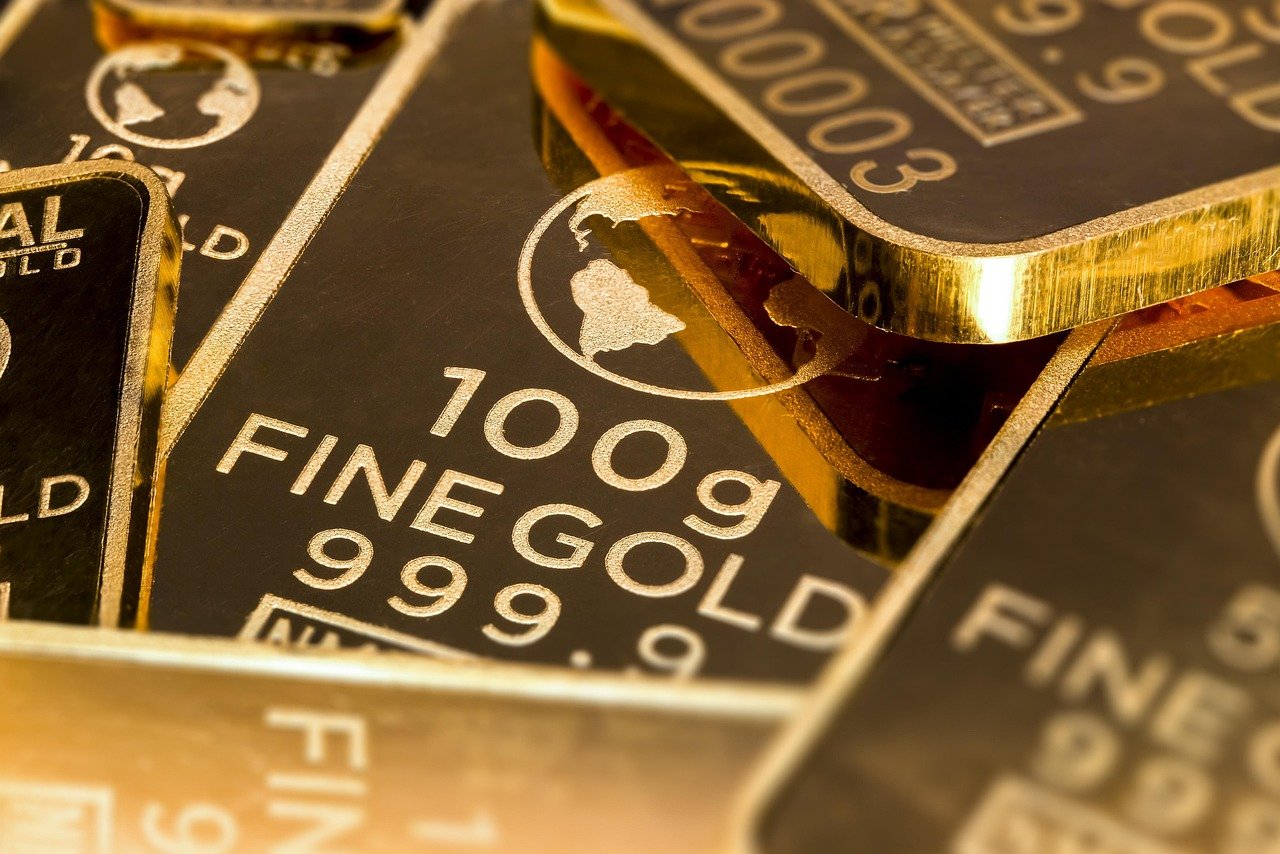
For the first time since establishing its modern bullion strategy, Russia has begun selling physical gold from its strategic reserves — a move that signals growing financial strain inside the country. According to information released through Interfax and the Central Bank of Russia, the state has shifted from internal accounting transactions to real, external gold sales, marking a historic turning point in the management of the Russian gold reserves.
A Strategic Asset Russia Once Relied On
For more than two decades, gold has been one of Moscow’s most important economic lifelines. After the 1998 financial crisis, the Kremlin began rapidly building its bullion stockpile to reduce reliance on the US dollar and hedge against geopolitical shocks.
Between 2007 and 2021, Russia became one of the fastest-growing gold accumulators in the world, purchasing over 1,900 tons and reaching more than 2,300 tons — the fifth-largest gold reserve globally.
Notably:
- In 2014–2019, following Western sanctions over Crimea, Russia carried out its largest gold-buying program ever recorded.
- The Central Bank temporarily halted bulk purchases in 2020 due to high prices, but reserves remained largely untouched.
Until now, Moscow treated its gold as a “last defense asset” — and avoided selling any physical bullion even during crises.
Why Russia Is Selling Gold Now
The shift from virtual to real sales signals a clear problem: the budget is under extreme pressure.
Russia is suffering from a sharp decline in oil revenues, combined with new sanctions hitting major producers like Rosneft and Lukoil. The state faces a widening budget deficit driven by rising war costs, shrinking export income and restricted access to global financial markets.
According to the Ministry of Finance:
- The National Wealth Fund once held 405.7 tons of gold
- Today it holds only 173 tons
- More than 232 tons have already been sold since 2022
- Liquidity has collapsed from $113.5 billion to just $51.6 billion
At this depletion rate, Western economists believe Russia’s financial buffer could be exhausted within one to two years.
The Hidden Impact of Sanctions
The United States recently imposed sanctions on Rosneft and Lukoil, which together produce nearly half of all Russian oil. These measures have:
- Triggered a 27% year-on-year collapse in oil and gas revenue
- Caused foreign buyers, including major Indian refiners, to suspend shipments
- Led Chinese state companies to cancel around 45% of planned deliveries
- Pushed Russia’s seaborne oil exports down by 20% in under a month
Compounding this, Ukrainian drone strikes continue to disrupt refineries in Volgograd, Ryazan, Nizhny Novgorod and other key regions, reducing Russia’s refining capacity by almost 10% since summer.
With oil income dwindling and the war budget expanding, Kremlin finances have come under unprecedented stress.
A Budget Under Siege
Russia now faces seven consecutive years of high budget deficits — something unseen since the 1990s. The projected deficit for 2026 is 3.8 trillion rubles, and the government has openly abandoned the goal of keeping the gap under 1% of GDP.
At the same time:
- 40% of federal spending now goes to defense and security
- Domestic economic activity remains constrained
- Inflationary pressure and rising fuel prices are stirring internal discontent
- Russia has no access to international borrowing
- Even China has refused to issue state loans
This leaves Moscow with few options — and selling gold has become an unavoidable step.
A Historic Turning Point
For decades, the Russian gold reserves symbolized economic resilience and geopolitical defiance. The fact that physical gold is now being sold reflects the deep challenges facing Russia’s economy:
- declining oil income
- sanctions that cut off vital revenue streams
- war-related expenditure at record levels
- a shrinking financial buffer
- limited access to external financing
Moscow’s long-standing strategy of insulating itself with gold is now being reversed, as the country taps into the only major asset still available to support the federal budget.
Featured Image by Linda Hamilton from Pixabay
2 thoughts on “Why Russian Gold Reserves Are Being Sold for the First Time in History”